
Restorative
Tooth-Colored Fillings in South Jordan, UT
When a cavity is caught early, a tooth-colored composite filling restores the tooth beautifully and strongly. Modern composite materials bond directly to the tooth, look indistinguishable from natural enamel, and preserve more healthy tooth structure than the silver amalgam fillings of previous decades. At Osborne Dental, every filling we place is composite, carefully shaded to match your existing tooth so the result is virtually invisible.
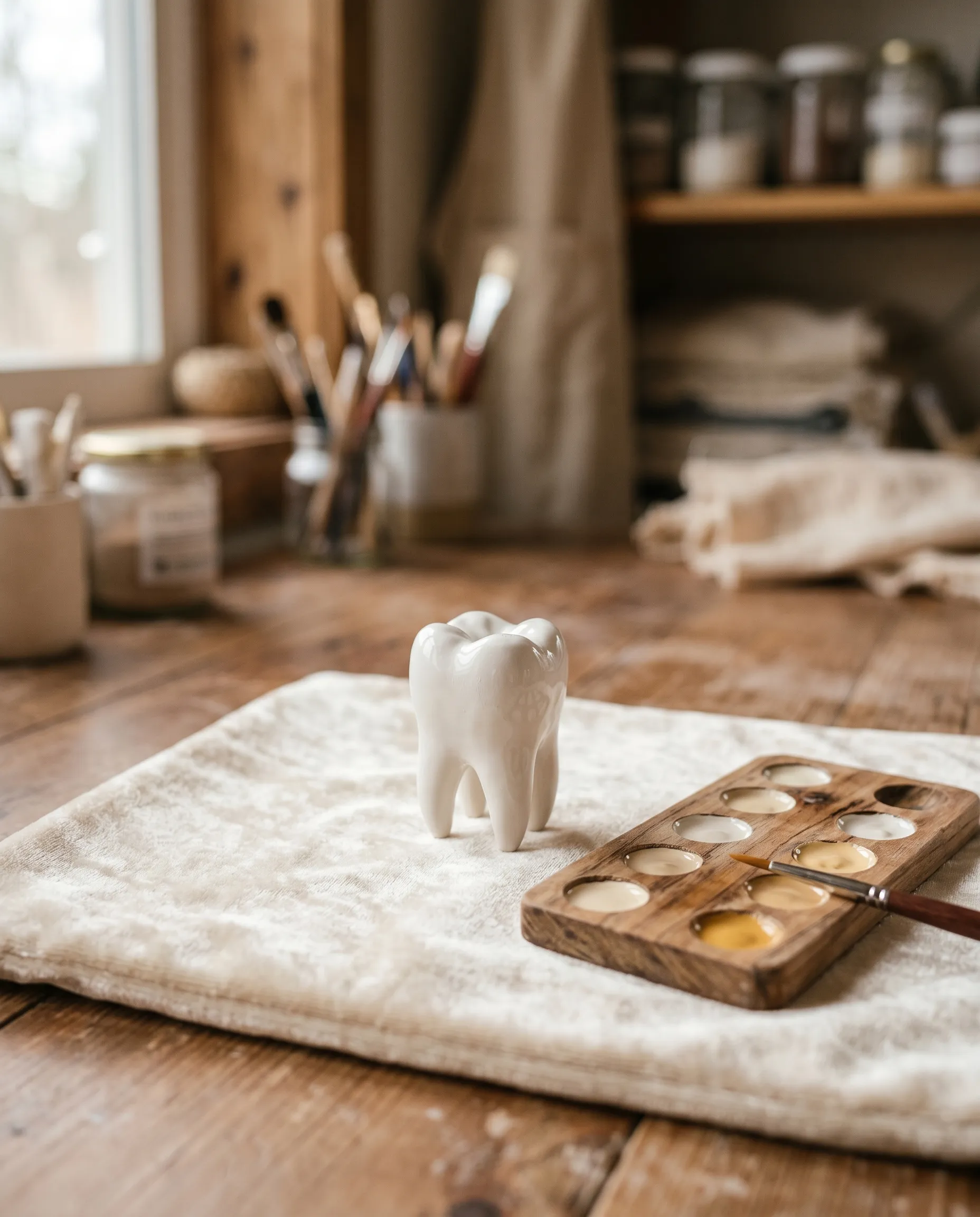
What composite fillings are made of
Composite resin is a blend of plastic and finely ground glass or ceramic particles. It's applied in a putty-like state, sculpted to the exact shape of the tooth, then hardened (cured) with a special blue light. Once cured, it's as strong as natural tooth structure and can be polished to a smooth, natural-looking finish.
Because composite chemically bonds to the tooth, Dr. Osborne can be more conservative when preparing the cavity. He removes only the decayed portion and leaves as much healthy tooth as possible. That's a big change from the old silver amalgam approach, which required cutting away more healthy structure just to hold the filling mechanically.
What to expect during your appointment
Most single-tooth fillings take 30 to 45 minutes. Dr. Osborne starts by numbing the area with local anesthetic, so you won't feel anything during the procedure. The decayed portion of the tooth is removed, the remaining structure is cleaned, and a bonding agent is applied to prepare the surface for the composite.
The composite is layered into place in thin increments, each one cured with the blue light before the next is added. This layering technique allows for a strong, natural-looking result. Once the filling is shaped to match the original tooth, it's polished to a smooth finish, and your bite is checked to make sure everything closes comfortably.
You can eat and drink normally as soon as the numbness wears off, usually within a couple of hours. Some patients experience mild sensitivity to cold for a few days after; this is normal and resolves on its own.
Why composite beats the old silver fillings
Beyond the obvious cosmetic advantage, composite fillings have several clinical benefits. They bond to the tooth, which provides a tighter seal against bacteria and reduces the risk of decay recurring underneath. They don't expand and contract with temperature changes the way metal fillings do, which means less stress on the surrounding tooth structure and a lower risk of cracks developing over time.
Composite is also mercury-free, which is important to some patients. If you have older amalgam fillings that are starting to crack, leak, or show signs of failure, Dr. Osborne can replace them with composite during a routine visit. We don't recommend replacing intact amalgam fillings for purely cosmetic reasons unless you specifically want that, but we're happy to discuss your options.
Catching cavities early makes a huge difference
Small cavities treated early are simple, inexpensive, and completely restore the tooth. A cavity that's been ignored for a year or two often reaches the nerve, which turns a 30-minute filling into a root canal and crown (a multi-hour, multi-thousand-dollar treatment). This is why regular cleanings and exams matter so much: we catch cavities before they hurt, when they're still small and easy to fix.
If it's been a while since your last exam, come in. Even if you don't have any pain or visible issues, it's worth getting a baseline and making sure nothing is developing silently. We see it all the time: patients who haven't had a dental visit in years come in expecting bad news, and often their situation is much better than they feared. Either way, knowing is better than not knowing.
Common questions
How long do composite fillings last?
A well-placed composite filling in a well-cared-for tooth typically lasts 10 to 15 years, sometimes longer. Large fillings in back teeth tend to wear faster than small fillings in front teeth. Good home care, regular cleanings, and avoiding habits like chewing ice significantly extend the life of any filling.
Will my new filling be sensitive?
Mild sensitivity to cold or pressure for a few days after a filling is common and normal. It usually resolves on its own. If sensitivity persists more than two weeks or is severe, let us know; sometimes a small adjustment to the bite is all that's needed.
Can I eat right after a filling?
Yes, as soon as the numbness wears off. The filling is fully cured and hardened by the end of the appointment. We generally recommend waiting until you have feeling back in your lip and cheek so you don't accidentally bite them.
Related
Other restorative services.
-
Dental Crowns
Custom porcelain crowns that restore strength, shape, and appearance to teeth that are broken, heavily filled, or after a root canal.
Learn more -
Dental Bridges
Fixed replacements for one or more missing teeth, anchored to healthy adjacent teeth or implants for a stable, long-lasting solution.
Learn more -
Inlays & Onlays
Conservative indirect restorations crafted outside the mouth and bonded in. Ideal when a filling isn't enough but a full crown isn't necessary.
Learn more -
Root Canal Therapy
Gentle endodontic treatment to save teeth with infected or damaged pulp, relieving pain and keeping your natural tooth in place.
Learn more -
Tooth Extractions
Comfortable tooth removal when a tooth can't be saved, with clear guidance on replacement options so there's no uncertainty about next steps.
Learn more -
Dentures
Full and partial dentures designed for a natural appearance and stable function. Options range from traditional to implant-supported.
Learn more
Schedule your visit
Let's give you a reason to smile.
Whether you're new to South Jordan or looking for a dentist who'll actually listen, we'd love to meet you. Schedule your visit today.