
Cosmetic
Cosmetic Bonding in South Jordan, UT
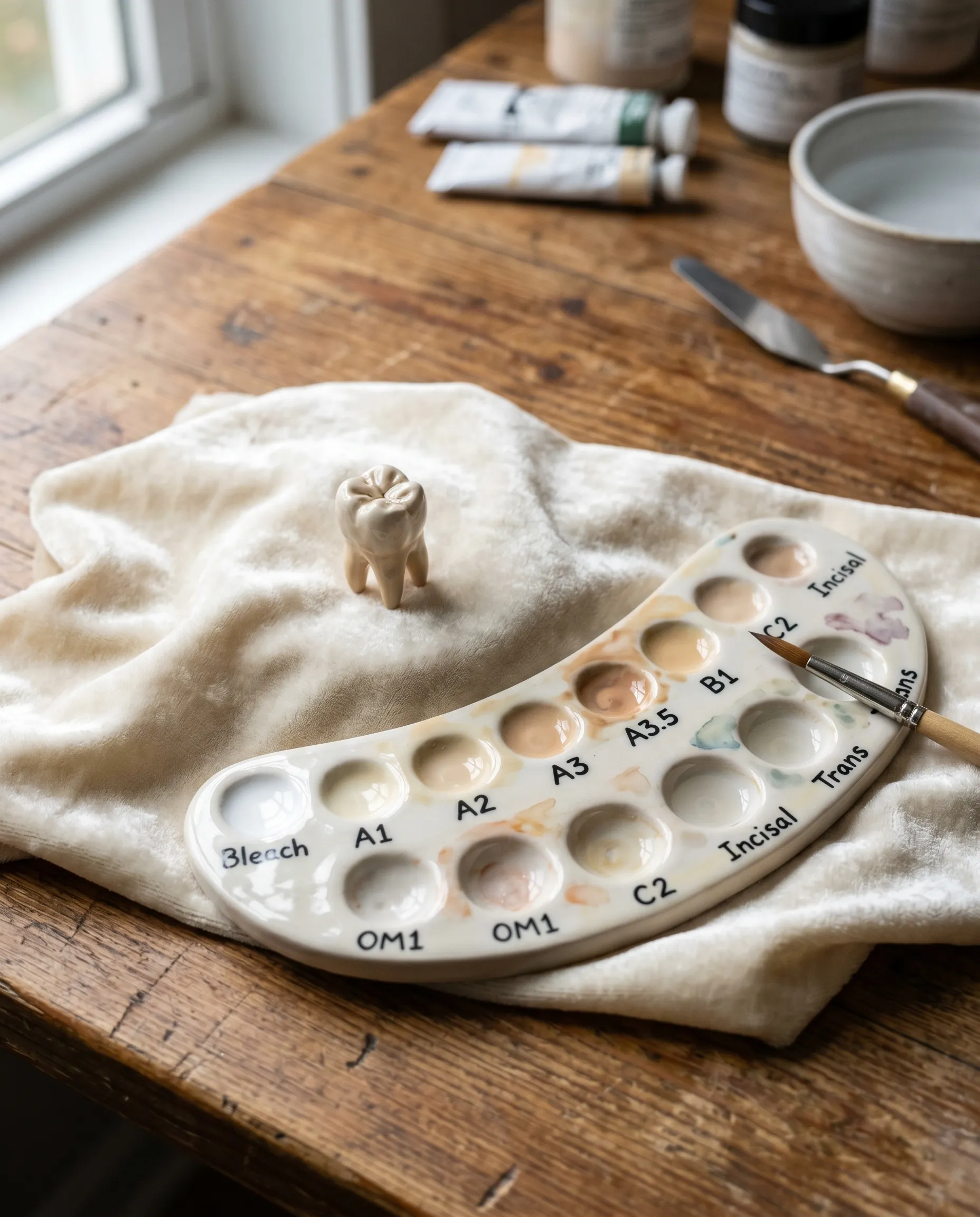
Cosmetic bonding uses tooth-colored composite resin, the same material as a filling, to fix small cosmetic issues in a single visit. It's the fastest, least invasive cosmetic option, and it's often surprisingly affordable. Dr. Osborne has a steady hand and an eye for shape and shade, which makes bonding one of the more artistic procedures we offer.
What bonding can fix
Bonding is great for chipped edges, small gaps between teeth, minor shape irregularities, discoloration on individual teeth that hasn't responded to whitening, and short teeth that need a bit of length added. Many patients come in with one or two specific teeth they've always wanted to fix, and bonding takes care of them without the commitment or cost of veneers.
Dr. Osborne applies the composite resin directly to the tooth, sculpts it to shape while it's soft, hardens it with a curing light, and then polishes it to a natural finish. The whole process typically takes 30 to 60 minutes per tooth, and most appointments don't require any anesthesia at all.
Bonding vs. veneers: which is right?
Bonding is less expensive and less invasive than veneers, but it doesn't last as long (typically 5 to 10 years versus 15 to 20) and the composite material can stain over time or chip if stressed. For single-tooth or small-scale changes, bonding is often the best choice. For full smile transformations or when you want the absolute highest-end aesthetic result, porcelain veneers are usually the better option.
For some patients, a combination of both makes sense: veneers on the front teeth most visible in a smile, bonding on the less prominent teeth or to refine specific details. Dr. Osborne will give you an honest recommendation based on what will serve you best long-term.
What to expect during your appointment
Most bonding appointments require no anesthesia because no drilling is involved. Dr. Osborne cleans and lightly etches the tooth surface to create good bonding conditions, applies a tooth-colored resin in layers, and sculpts it into the desired shape. Each layer is cured with a blue light before the next is added, which allows for precise control over the final result.
Once the shape is right, the bonded area is polished to a smooth, natural finish that blends seamlessly with the surrounding enamel. You can eat and drink normally immediately after the appointment. The bonded material is fully hardened and functional by the time you leave.
Caring for bonded teeth
Bonding is cared for like natural teeth: brush twice a day, floss daily, and keep up with cleanings. The main cautions are to avoid biting hard objects (ice, pens, fingernails) that could chip the composite, and to be aware that composite can stain from coffee, red wine, and tobacco over time. If staining becomes an issue, bonded areas can be polished or refreshed fairly easily at a routine visit.
Beyond cosmetic: functional uses
Bonding isn't only for cosmetic improvements. It's also used to rebuild worn-down tooth edges (common in patients who grind), protect exposed root surfaces where gums have receded, and close small gaps that are causing functional issues like food trapping. In these cases, bonding serves a dual purpose: it looks better and it prevents further damage.
We often combine bonding with other treatments for the best result. For example, after treating gum recession, we might bond the exposed root surface to prevent sensitivity and decay. After orthodontic treatment, small bonded refinements can perfect the shape of teeth that are now in their ideal position. Bonding is a remarkably versatile tool when used thoughtfully.
Common questions
How long does bonding last?
With good care, bonded areas typically last 5 to 10 years before needing touch-ups or replacement. Small chips can often be repaired without redoing the whole bond. Staining over time is more common than mechanical failure.
Is bonding reversible?
Mostly yes, which is one of its advantages over veneers. Because bonding doesn't require removing enamel (or requires very little), you can usually have bonding removed and return to your original tooth, or switch to veneers later if you want a more permanent solution.
How much does bonding cost?
Cosmetic bonding typically runs $300 to $600 per tooth, depending on size and complexity. That's substantially less than veneers ($1,200 to $2,500 per tooth), which is one reason bonding is often the starting point for patients exploring cosmetic improvements. We'll provide a specific estimate at your consultation.
Related
Other cosmetic services.
-
Teeth Whitening
Professional in-office whitening for fast, dramatic results, plus custom take-home trays for gradual brightening on your own schedule.
Learn more -
Porcelain Veneers
Ultra-thin porcelain shells bonded to the front of teeth to transform shape, color, and proportion. Conservative, beautiful, and long-lasting.
Learn more -
Smile Makeovers
Comprehensive treatment plans combining multiple cosmetic procedures for a complete smile transformation, designed around your goals and facial features.
Learn more
Schedule your visit
Let's give you a reason to smile.
Whether you're new to South Jordan or looking for a dentist who'll actually listen, we'd love to meet you. Schedule your visit today.