
Family & Specialty
TMJ/TMD Treatment in South Jordan, UT
Jaw pain, clicking, limited opening, and chronic headaches can all be signs of a temporomandibular disorder (TMD), a group of conditions affecting the jaw joint and the muscles that move it. Many patients have been dealing with these symptoms for years without realizing a dentist could help. At Osborne Dental we take a conservative, symptom-first approach, starting with the least invasive treatments and only escalating if needed.
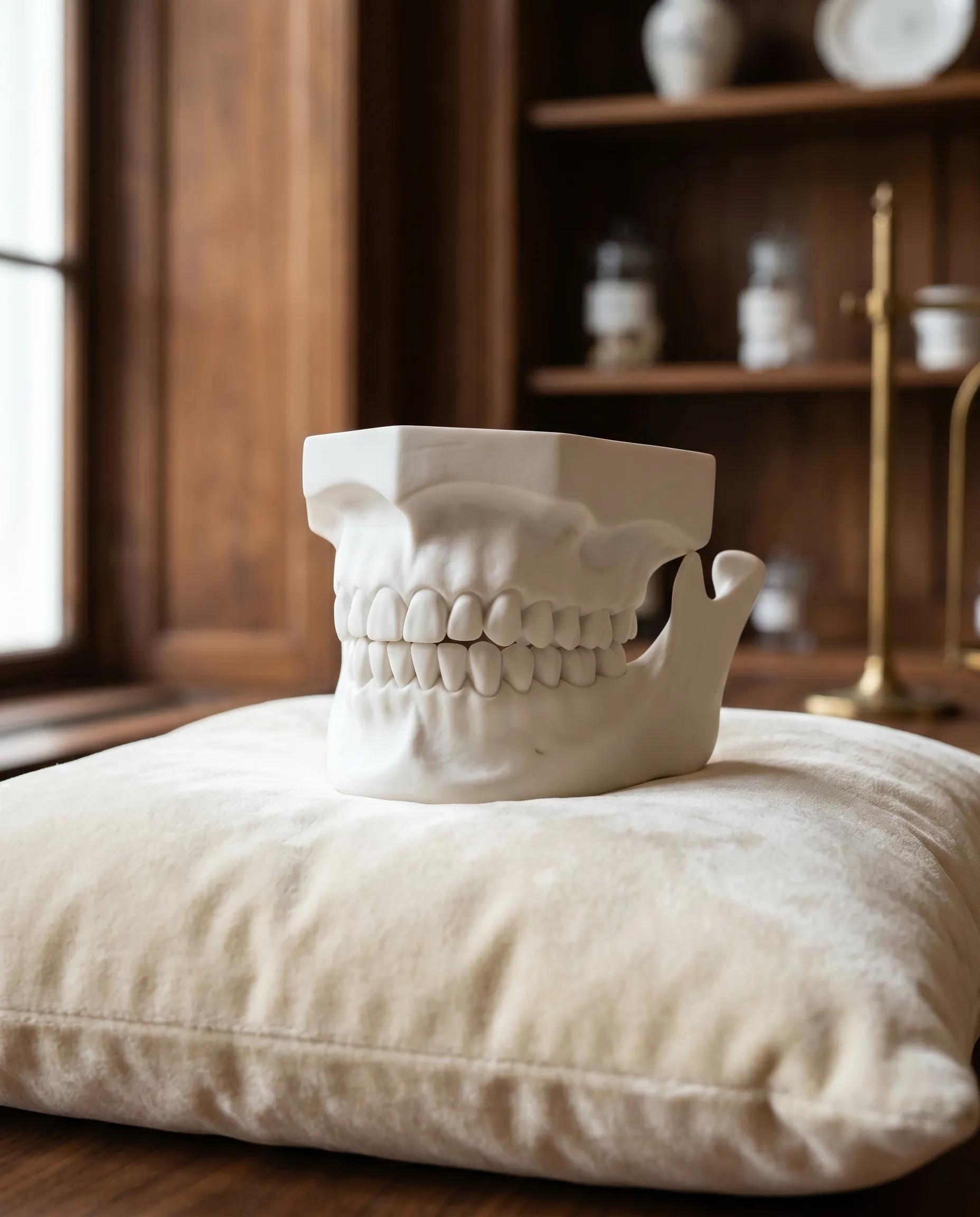
Signs of a TMJ disorder
Common symptoms include pain in front of the ear, jaw fatigue or soreness (especially after waking or chewing), clicking or popping when opening your mouth, difficulty chewing certain foods, chronic headaches that start in the temples, ear pain or ringing without an obvious ear cause, and jaw locking (either open or closed). Some patients also report neck and shoulder tension that seems connected to their jaw.
TMD is often multifactorial. Stress and clenching are frequent contributors. So is a misaligned bite, old dental work that sits just a fraction too high or low, arthritis in the joint, recent trauma, or sleep-disordered breathing that causes nighttime clenching. Understanding the specific drivers for your case is key to effective treatment.
Our approach: conservative first
We start with the least invasive treatments because they work for the majority of patients. A custom night guard is often the first step. It relieves pressure on the joint during sleep (when many people unknowingly clench), protects the teeth from grinding damage, and frequently resolves a significant portion of TMD symptoms within a few weeks.
Alongside the night guard, we discuss jaw-relaxation techniques, posture adjustments, sleep habits, and sometimes short-term anti-inflammatory medication to calm the joint. For many patients, this combination is enough. No surgery, no injections, just addressing the underlying pressure and tension that's causing the symptoms.
When to consider more advanced treatment
If conservative care isn't providing enough relief after several weeks, we'll take a closer look at bite alignment, tooth wear patterns, and joint mechanics. Sometimes targeted dental work (adjusting a high restoration, for example, or replacing worn teeth that have thrown the bite off) provides dramatic improvement. Occasionally physical therapy referrals help, particularly for patients with significant muscle tension or postural contributions.
For severe cases that don't respond to conservative dental and therapeutic approaches, we refer to an oral surgeon or TMJ specialist who can evaluate more invasive options. We don't try to handle everything in-house; we want you in the right hands. Most TMD cases, though, respond well to the conservative approach and never need to escalate.
What a TMD consultation involves
At your consultation, Dr. Osborne will take a thorough history, examine your jaw joints and surrounding muscles, evaluate your bite, check for signs of tooth grinding, and discuss what you've noticed about the symptoms. He'll often take X-rays or a scan to get a clearer look at the joints themselves. You'll leave with a specific plan tailored to your situation and a realistic expectation of what treatment can achieve.
Home strategies that often help
Alongside any in-office treatment, there are simple home strategies that help many patients manage TMJ symptoms. Moist heat applied to the jaw muscles for 15 to 20 minutes can release tension. Gentle jaw stretches, done under guidance, improve range of motion. Avoiding gum, tough meats, and large bites gives the joint a chance to rest. Stress management techniques (deep breathing, meditation, regular exercise) often reduce the unconscious clenching that drives the problem.
Posture also matters more than most people realize. Hunching over a phone or laptop for hours pulls the jaw forward and strains the joint. Small ergonomic adjustments to how you work can reduce TMJ symptoms meaningfully. We'll discuss which of these strategies might help based on what seems to be triggering your specific symptoms.
Common questions
Could my headaches really be from my jaw?
Yes, quite commonly. TMJ-related headaches typically start in the temples, sometimes feel like tension headaches, and are often worse in the morning (from overnight clenching) or at the end of stressful days. If you've had persistent headaches that haven't responded to other treatments, it's worth having your jaw and bite evaluated.
Will I need surgery for TMD?
Almost never. The vast majority of TMD cases respond well to conservative dental care: a custom night guard, stress management, and sometimes minor bite adjustments. Surgery is reserved for rare cases of significant joint damage and is only recommended after conservative options have been exhausted.
Related
Other family & specialty services.
-
Children's Dentistry
Gentle, friendly care for kids from their first visit through their teen years, in a space that feels welcoming rather than clinical.
Learn more -
Emergency Dental Care
Same-day appointments for toothaches, broken teeth, and dental trauma. Call us as soon as it happens and we'll make room.
Learn more -
Clear Aligner Orthodontics
Invisible, removable aligners that straighten teeth without the metal and wires of traditional braces. Great for adults and teens alike.
Learn more
Schedule your visit
Let's give you a reason to smile.
Whether you're new to South Jordan or looking for a dentist who'll actually listen, we'd love to meet you. Schedule your visit today.