
Periodontal
Gingivitis Treatment in South Jordan, UT
Gingivitis is the earliest stage of gum disease: inflamed, sometimes bleeding gums without any underlying bone loss yet. The good news is that gingivitis is completely reversible when caught early. With the right treatment and a small adjustment to home care, your gums can return to full health within a few weeks. Catching it at this stage prevents it from progressing into the more serious periodontitis.
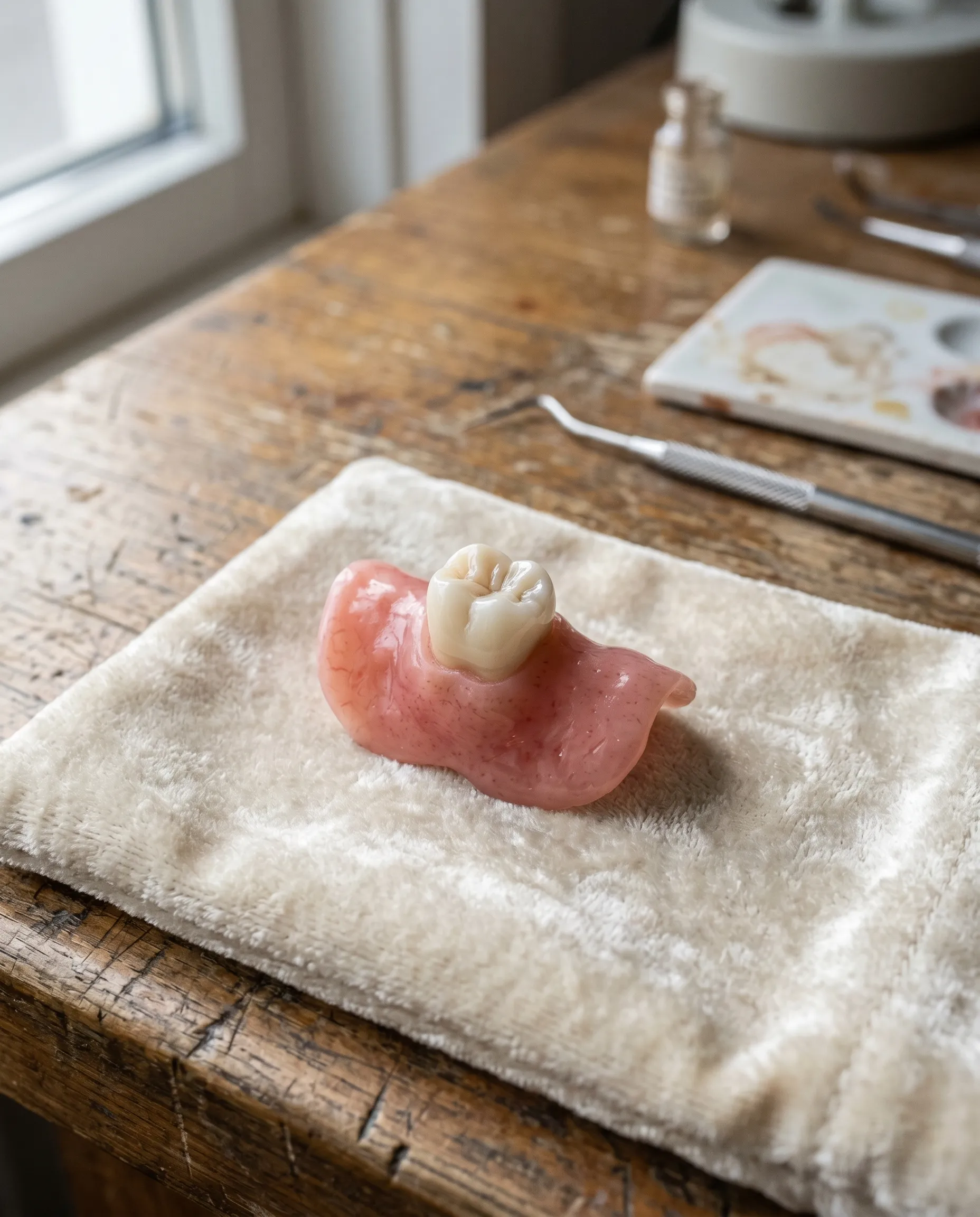
Signs of gingivitis
Gums that bleed when you brush or floss, even a little, are the most common early sign. Red or swollen gums (healthy gums look coral pink and fit snugly against the teeth) also signal inflammation. Bad breath that doesn't resolve with brushing can be related. None of these are normal, and all of them can be reversed.
Gingivitis is often painless, which is part of why it's easy to ignore. Patients sometimes assume bleeding gums are just how their mouth is. That's not the case; it's a sign the tissue is inflamed and needs attention.
What causes it
The vast majority of gingivitis cases are caused by plaque buildup along the gumline. When plaque stays there too long (typically more than 24 to 48 hours), the bacteria it contains irritate the gum tissue and inflammation follows.
Other contributing factors include hormonal changes (pregnancy, puberty), certain medications that cause dry mouth, smoking, diabetes, and nutritional deficiencies. These make it easier for gingivitis to develop and harder to reverse without addressing the underlying cause.
How we treat it
For most patients, gingivitis treatment starts with a thorough professional cleaning to remove the plaque and tartar that's causing the inflammation. This is typically a standard prophylaxis, not a deep cleaning, because the problem is limited to the gumline and hasn't progressed below yet.
Alongside the cleaning, we spend time coaching you on home care. Often a small adjustment to brushing technique, a different type of floss, or adding an antimicrobial rinse is all it takes to reverse the inflammation. We'll recommend a follow-up visit in a few weeks to confirm the gums have healed.
Keeping it from coming back
Once gingivitis is resolved, keeping it away is straightforward: brush twice a day, floss once a day, come in for cleanings every six months. Patients who fall off the home-care wagon often see gingivitis return; patients who stay consistent rarely have it come back.
For patients with a history of gingivitis that keeps recurring, we may recommend more frequent cleanings (every three or four months) to stay ahead of the buildup cycle.
Common questions
If my gums bleed when I brush, should I stop brushing that area?
No, the opposite. Bleeding gums need more attention, not less. Gently brush and floss the area consistently. Within a week or two, the inflammation will start to resolve and bleeding will decrease. If bleeding persists after consistent care for two weeks, come in.
Can gingivitis turn into something worse?
Yes, if ignored. Untreated gingivitis can progress to periodontitis, which involves bone loss around the teeth and is much harder to treat. The good news is the progression is slow; catching gingivitis and treating it (even if it's been there for years) almost always prevents this.
Related
Other periodontal services.
-
Scaling & Root Planing
Deep cleanings that remove bacteria and tartar from below the gumline to treat gum disease and help your gums heal.
Learn more -
Periodontal Maintenance
Specialized recurring cleanings, typically every 3-4 months, for patients with a history of gum disease to keep it from progressing.
Learn more
Schedule your visit
Let's give you a reason to smile.
Whether you're new to South Jordan or looking for a dentist who'll actually listen, we'd love to meet you. Schedule your visit today.