
Restorative
Dental Crowns in South Jordan, UT
When a tooth is too damaged for a filling but can still be saved, a dental crown is the go-to restoration. A crown is a tooth-shaped cap that covers and protects the remaining tooth structure, restoring strength, function, and appearance. Modern porcelain crowns placed at Osborne Dental look and feel so natural that most patients forget which tooth is the crown within a few weeks of placement.
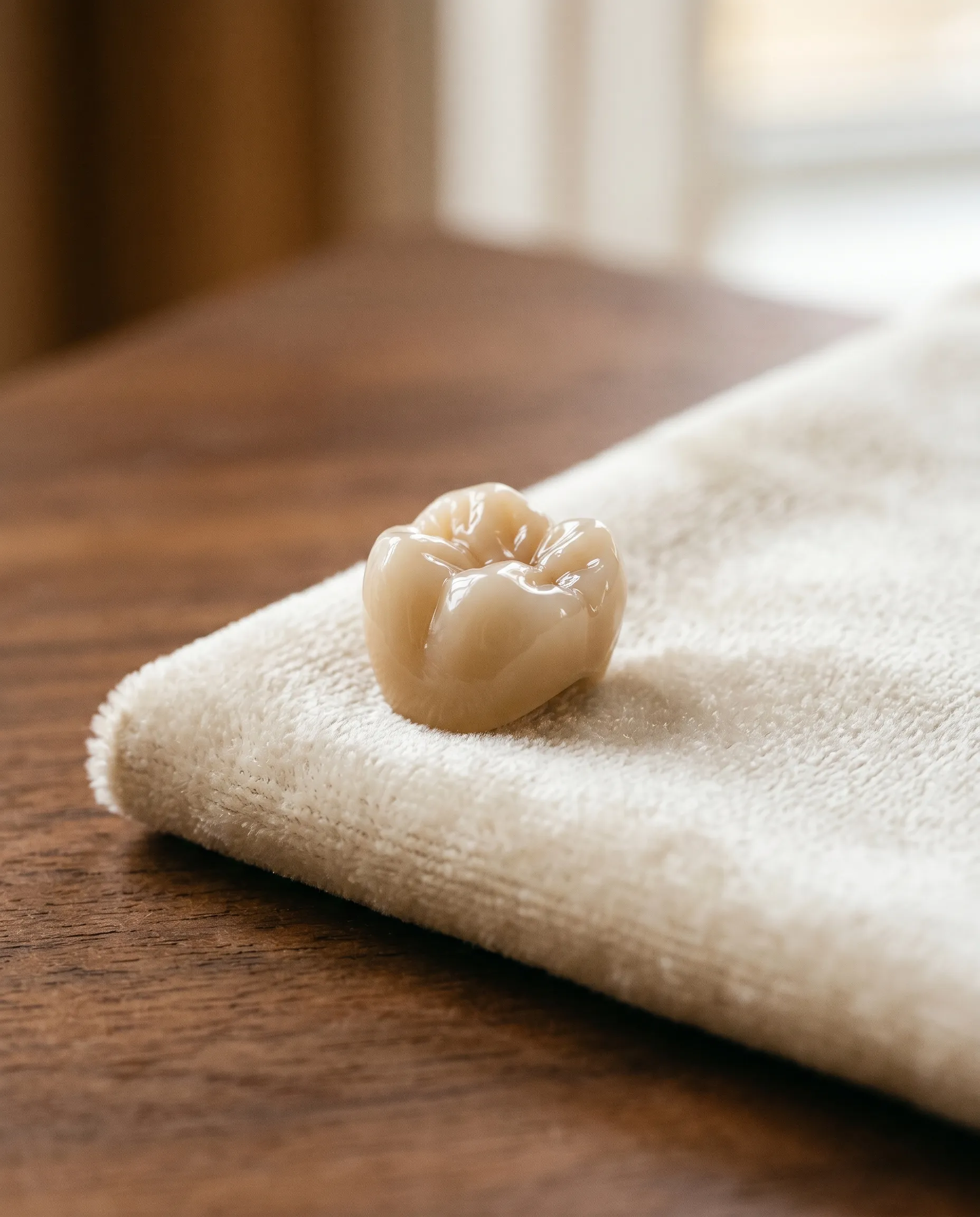
When a crown is the right restoration
Crowns are commonly placed on teeth that have had root canal therapy (which leaves the tooth more brittle and prone to fracture), teeth with large old fillings that have failed or are at risk of failing, teeth with significant cracks or fractures that can't be repaired with a filling, and teeth that are severely worn down from grinding or acid erosion. Crowns are also used to cover dental implants and anchor bridges.
Dr. Osborne takes a conservative approach to recommending crowns. If a filling will do the job, he uses a filling. A crown is the right call when the tooth needs the structural support only a full-coverage restoration can provide.
The crown process, step by step
The traditional crown process takes two visits spaced two to three weeks apart. At the first visit, Dr. Osborne numbs the area, shapes the tooth by removing a thin layer of enamel on all sides to make room for the crown, and takes a digital scan or impression of the prepared tooth. A temporary crown is placed to protect the tooth while the permanent one is being made.
The permanent crown is fabricated at a dental laboratory using high-quality porcelain or zirconia material. We work with labs known for their aesthetics and precision, and the crown is color-matched to your natural teeth. At the second visit, the temporary is removed, the permanent crown is tried in, and once we've confirmed the fit, shade, and bite are all correct, it's cemented permanently in place.
Materials and longevity
Most of the crowns we place are all-ceramic or zirconia, both of which are strong, natural-looking, and biocompatible. Zirconia is particularly strong and is often used for back molars where chewing forces are high. All-ceramic crowns are usually preferred for front teeth where light transmission and natural translucency matter most.
With good home care and regular cleanings, a dental crown typically lasts 10 to 20 years, and often longer. The main things that shorten a crown's life are decay at the margin (where the crown meets the tooth), bite pressure from grinding or clenching, and occasionally gum recession exposing the edge of the crown. All of these are manageable with preventive care.
Life with a crown
Once the crown is cemented, you care for it exactly like a natural tooth: brushing twice a day, flossing daily (including around the crown margin), and coming in for regular cleanings. The porcelain itself doesn't decay, but the underlying tooth can, so home care still matters. Most patients report that a well-made crown feels identical to a natural tooth after a short adjustment period.
Signs a crown may be failing
Well-placed crowns are very durable, but they're not invincible. Warning signs to watch for include new sensitivity to cold or biting pressure, a feeling of looseness, a visible dark line appearing at the gumline, or recurrent decay around the crown margin (which we usually catch first on X-ray). If anything changes with a crowned tooth, come in. Catching a problem early often means we can repair the existing crown rather than replace it.
Common questions
Will anyone be able to tell I have a crown?
Not unless you tell them. Modern porcelain crowns match the color, translucency, and texture of natural teeth so closely that they're usually indistinguishable, even up close. Even experienced dentists often have to look carefully to identify which tooth is the crown.
Does getting a crown hurt?
The preparation appointment is done with local anesthesia, so you won't feel anything during the procedure. Mild soreness in the area for a day or two afterward is normal, as is some sensitivity while the temporary crown is on. Once the permanent crown is cemented, sensitivity typically resolves.
Is a crown always needed after a root canal?
For most teeth, yes. Root-canal-treated teeth are structurally weaker because they lose their blood supply, which makes them more brittle and prone to fracture. A crown protects the tooth from cracking and greatly extends its lifespan. Front teeth with minimal damage sometimes don't need a crown, but that's case by case.
Related
Other restorative services.
-
Tooth-Colored Fillings
Composite resin fillings that match your natural tooth color and bond directly to the tooth. Modern, mercury-free, and virtually invisible.
Learn more -
Dental Bridges
Fixed replacements for one or more missing teeth, anchored to healthy adjacent teeth or implants for a stable, long-lasting solution.
Learn more -
Inlays & Onlays
Conservative indirect restorations crafted outside the mouth and bonded in. Ideal when a filling isn't enough but a full crown isn't necessary.
Learn more -
Root Canal Therapy
Gentle endodontic treatment to save teeth with infected or damaged pulp, relieving pain and keeping your natural tooth in place.
Learn more -
Tooth Extractions
Comfortable tooth removal when a tooth can't be saved, with clear guidance on replacement options so there's no uncertainty about next steps.
Learn more -
Dentures
Full and partial dentures designed for a natural appearance and stable function. Options range from traditional to implant-supported.
Learn more
Schedule your visit
Let's give you a reason to smile.
Whether you're new to South Jordan or looking for a dentist who'll actually listen, we'd love to meet you. Schedule your visit today.