
Preventive
Digital X-rays & Imaging in South Jordan, UT
Digital X-rays are a core part of modern dentistry, giving Dr. Osborne a clear view of what's happening below the surface of your teeth and gums in a matter of seconds. They use significantly less radiation than old film X-rays, produce instantly-viewable images, and let us spot problems that would otherwise be invisible. Every patient in South Jordan benefits from this quick, painless technology at appropriate intervals.
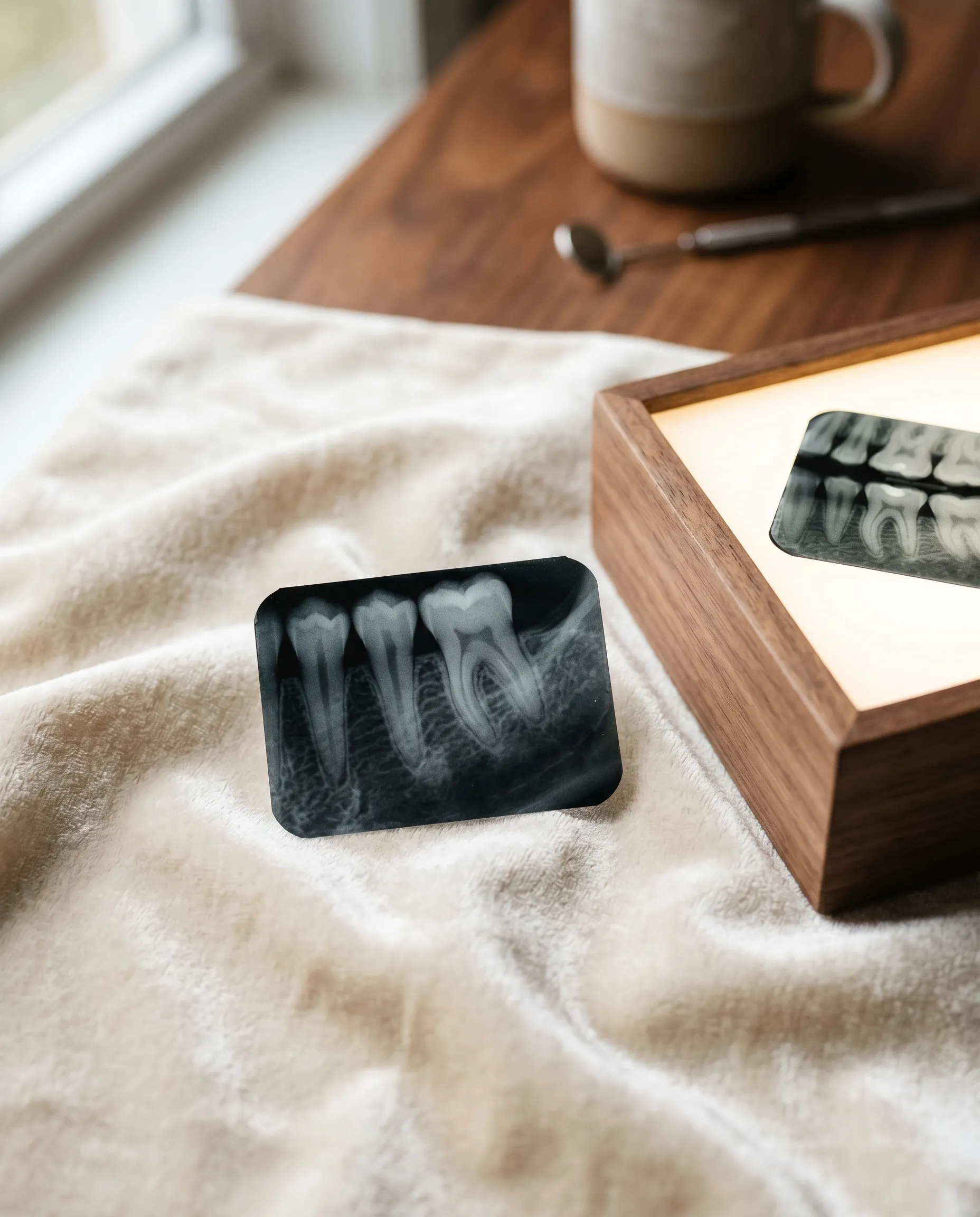
What digital X-rays reveal
There's a surprising amount of dental anatomy that can't be seen during a visual exam. The areas between teeth, the bone that supports them, the roots below the gumline, and any decay that's started under existing fillings are all hidden from plain sight. Digital X-rays let us see all of it with remarkable clarity.
We look for cavities forming between teeth, bone loss that signals periodontal disease, infections at the root tip that might need endodontic treatment, impacted teeth, cysts, and the position of developing teeth in children and teens. Catching these early almost always means simpler, less expensive, and more comfortable treatment.
Digital vs. traditional film X-rays
Digital X-rays use 80 to 90 percent less radiation than old film X-rays. A modern full mouth series delivers about the same radiation exposure as a two-hour cross-country flight. That's a meaningful reduction for patients who get imaging regularly.
The other big advantages are speed and clarity. Digital images appear on our screen within seconds, and we can zoom, enhance contrast, and compare side-by-side with older images to track changes over time. No wet film, no chemical processing, no waiting.
How often we take them
New patients typically get a full set of X-rays at their first visit to establish a baseline. After that, we follow evidence-based guidelines from the American Dental Association: bitewing X-rays (showing decay between back teeth) every 1 to 2 years for low-risk adults, more often for high-risk patients. A full series happens every 3 to 5 years for most adults.
Children's imaging is typically more frequent during growth and development, but we still only image when there's a specific clinical reason. We never take X-rays routinely just because it's been a certain amount of time. Every image has a purpose.
What to expect at your visit
Digital X-rays are quick and painless. A small sensor is placed in your mouth, you bite down gently, and an image is captured in milliseconds. A full series takes about 5 to 10 minutes total. You'll wear a lead apron during the process.
Once the images are on screen, Dr. Osborne reviews them with you if there's anything noteworthy to discuss. We want you to see what we see.
Common questions
Are dental X-rays safe?
Yes. Modern digital X-rays use very low doses of radiation, and we only take them when the diagnostic benefit is clear. The risk from skipping needed X-rays (missed decay, unchecked infection, undiagnosed disease) is far greater than the tiny exposure from occasional imaging.
I'm pregnant, can I still have X-rays?
We typically defer non-urgent X-rays during pregnancy. If imaging is genuinely necessary (for example, to diagnose an acute infection), we use lead protection and take only what's needed. Routine imaging can almost always wait.
Related
Other preventive services.
-
Professional Teeth Cleanings
Prophylaxis cleanings to remove plaque and tartar, typically every six months. Gentle, thorough, and paired with personalized home-care coaching.
Learn more -
Dental Exams & Oral Evaluations
Comprehensive exams to check for cavities, gum disease, oral cancer, and bite issues. Always paired with a conversation about what you're noticing at home.
Learn more -
Oral Cancer Screenings
A quick, painless exam of your mouth, throat, and neck to catch abnormalities early, when they're most treatable. Part of every recall visit.
Learn more -
Fluoride Treatments
Topical fluoride applications to strengthen enamel and help prevent decay. Especially valuable for kids and adults at higher risk of cavities.
Learn more -
Dental Sealants
Thin protective coatings painted onto the chewing surfaces of back teeth to seal out decay. Most common in children but useful for adults too.
Learn more -
Periodontal Evaluations
Dedicated assessments of gum health, including pocket measurements, to catch the earliest signs of gingivitis or periodontal disease.
Learn more
Schedule your visit
Let's give you a reason to smile.
Whether you're new to South Jordan or looking for a dentist who'll actually listen, we'd love to meet you. Schedule your visit today.